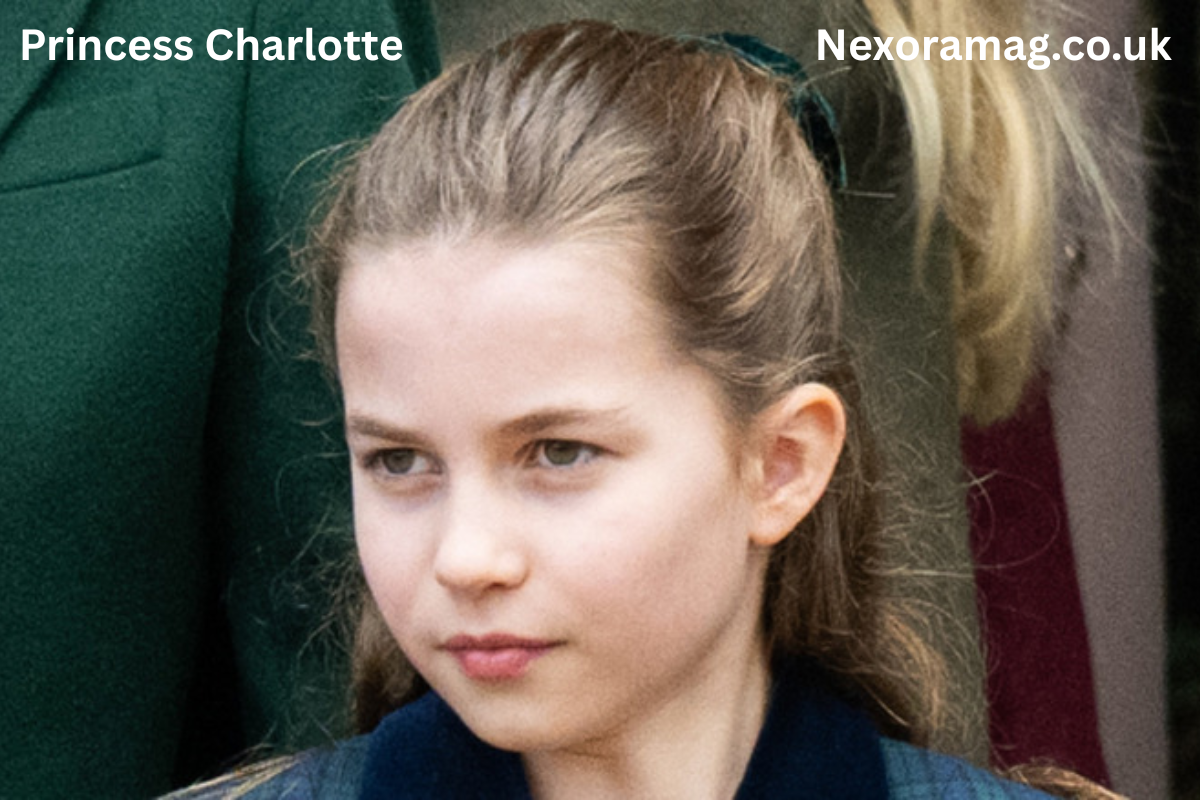
Early Life and Royal Birth
Princess Charlotte was born on 2 May 2015, instantly becoming one of the most talked-about children in the world due to her place in the British royal lineage. Her arrival made global headlines as the daughter of Prince William and Catherine Middleton, princess charlotte two of the most recognized royal figures of the modern era. Delivered at the Lindo Wing of St Mary’s Hospital, she was introduced to the world just hours after birth in a moment broadcast and printed across international media outlets.
Her full name, Charlotte Elizabeth Diana, pays tribute to multiple royal generations. The name “Charlotte” honors her grandfather, King Charles III, while “Elizabeth” commemorates her great-grandmother, Queen Elizabeth II, one of the longest-reigning monarchs in history. princess charlotte “Diana” was chosen as a heartfelt tribute to Diana Spencer, whose legacy still shapes the public’s emotional connection to the royal family. From her name to her birth setting, every detail reflected historic continuity interwoven with modern royal identity.
Her christening in July 2015 at St Mary Magdalene Church followed deep royal tradition while offering the public a more intimate glimpse of the growing Wales family. The ceremony featured the use of the traditional royal christening gown, a replica of the original garment from 1841, connecting Charlotte symbolically to generations of royal children before her. This early introduction into tradition set the foundation for a childhood marked by both ritual and relatable family dynamics.
Family Connections and Royal Lineage
Princess Charlotte is the second of three children born to the Prince and Princess of Wales, positioned between her older brother, Prince George, and her younger brother, Prince Louis. Growing up as part of a trio, she shares a close sibling bond that has often been visible during public appearances, royal tours, ceremonies, and candid family moments. The Wales children are widely considered the future of the monarchy, shaping early public perceptions of the institution’s next generation.
In the line of succession to the British throne, Princess Charlotte holds a historic position. She became the first female royal to maintain her place in the succession order ahead of a younger brother due to the Succession to the Crown Act 2013, which ended male-preference primogeniture. This means that regardless of gender, birth order is now the determining factor. As a result, Princess Charlotte remains fourth in line to the throne, after Prince William, Prince George, and King Charles III. This shift represents a meaningful modernization within the monarchy, symbolizing evolving attitudes toward gender equality.
Her extended family includes notable figures who continue to influence her public presence and upbringing. On her paternal side, she is the granddaughter of the reigning monarch, and on her maternal side, she is connected to the Middleton family, who maintain a supportive yet low-profile presence in royal affairs. These combined influences offer Charlotte a dual experience of both public royal heritage and grounded family life outside palace walls.
Growing Up in the Modern Royal Era
Princess Charlotte’s childhood has unfolded during a transformative period for the British Royal Family. Her parents have intentionally balanced public duty with the desire to provide their children with as normal a childhood as possible. While the world watches her grow, her family prioritizes experiences such as school routines, outdoor play, and time spent in the countryside at Anmer Hall, ensuring that royal expectations do not overshadow developmental milestones.
The media coverage surrounding Charlotte has always been significant, though carefully managed. Official birthday portraits released annually by Catherine, Princess of Wales, allow the public to witness Charlotte’s growth while maintaining necessary privacy. These photographs often capture natural moments—running through fields, smiling outdoors, or posing with siblings—showcasing her energetic personality and expressiveness. Such controlled releases help reduce paparazzi intrusion while still satisfying global curiosity.
Charlotte’s growing visibility also highlights her ease in public settings. From her confident waves at major events to her natural interactions with dignitaries and crowds, she demonstrates an early sense of self-assurance. Eyewitness accounts often note her outgoing nature, contrasting slightly with her siblings and marking her as a potential future favorite among royal watchers. Her development continues to reflect the merging of tradition with a more relatable royal lifestyle.
Education and School Life
Princess Charlotte attends Lambrook School, a prestigious preparatory school known for its emphasis on academics, arts, sports, and character building. Much like her brother Prince George, Charlotte benefits from a curriculum designed to foster independence, teamwork, and creativity. The school’s expansive grounds allow her to engage in outdoor activities, equestrian programs, and team sports, complementing her energetic and sociable nature.
Her academic progress remains private, but occasional insights shared by her parents reveal that Charlotte is bright, curious, and disciplined. Reports suggest that she enjoys reading and performing arts, reflecting a budding interest in creativity similar to her mother. Classroom activities such as nature studies, music lessons, and seasonal school events enrich her educational experience and strengthen her interpersonal skills.
Education for royal children plays an important role in shaping future responsibilities. While Charlotte may one day have official duties or ceremonial roles, her current academic life allows her to develop personal interests and build confidence away from public scrutiny. This balanced focus on learning, exploration, and character growth forms a foundational part of her early development.
Royal Appearances and Public Duties
Princess Charlotte’s public appearances, though limited due to her age, are often among the most memorable moments at major royal events. She has been seen attending ceremonies such as Trooping the Colour, national services, Remembrance Day observances, and state events marking significant royal milestones. During these performances, Charlotte often displays an understanding of decorum while still expressing childlike authenticity, contributing to her charm in the public eye.
One of her most notable appearances occurred during the funeral events for Queen Elizabeth II, where Charlotte demonstrated remarkable composure for a child. Her presence alongside her brother Prince George symbolized the continuity of the monarchy across generations. The moment also revealed her emerging awareness of royal tradition and responsibility, even at a young age.
Charlotte has also gained attention during less formal moments—pulling playful faces, interacting affectionately with her siblings, or politely participating in greetings with world leaders. These candid displays humanize her image and resonate with audiences who appreciate seeing a more relatable side of the royals. As she matures, her public role will likely expand, building on these early experiences.
Personality, Interests, and Hobbies
Despite limited public exposure, Princess Charlotte is widely recognized for her spirited personality. Described by her parents as confident, articulate, and strong-minded, she often shows leadership among her siblings. Observers have noted her expressive gestures and quick reactions during public appearances, which hint at an outgoing and dynamic character.
Her interests continue to evolve as she grows, though reports frequently mention her love for animals, particularly horses, a passion shared with several generations of royals. Additionally, she has displayed enthusiasm for arts and music, occasionally participating in church singing or school performances. Activities such as cycling, dancing, and exploring nature also align well with her active lifestyle.
Charlotte’s personality balances royal poise with childlike charm—she can be serious when an event requires it but playful and lively when the moment allows. This combination contributes to her popularity and positions her as a potential future cultural icon within the royal family.
Media Impact and Global Popularity
Princess Charlotte has become an influential figure in the world of global media coverage involving the British Royal Family. Photographs and videos of her often go viral, capturing everything from her confident waves to her humorous expressions. Her growing presence symbolizes the monarchy’s younger generation, attracting interest from audiences far beyond the United Kingdom.
Her image also carries economic influence. Outfits she wears frequently sell out within hours—a phenomenon known as the “Princess Charlotte effect”—mirroring the impact her mother has long held in the fashion world. Retail brands, especially children’s clothing lines, experience significant boosts in sales when Charlotte’s photographs are released.
While her parents maintain strict boundaries regarding excessive media intrusion, the controlled visibility given to Charlotte ensures that she remains a global cultural figure. Her milestones, public outings, and yearly portraits consistently become headline stories, reinforcing her role as one of the most recognizable young royals of her time.
Cultural Significance and Influence
Princess Charlotte occupies a significant cultural place as part of a royal generation redefining the monarchy’s image. Her upbringing reflects modern values—gender equality in succession, balanced parenting, educational priorities, and emotional openness. As a result, she becomes both a symbol of tradition and a marker of progress within the institution.
Her influence extends into global public consciousness, where she is often celebrated as a representation of a modern princess. Unlike traditional depictions of royalty, Charlotte is presented as a relatable child who enjoys ordinary activities while also preparing for a unique public future. This combination resonates strongly across media, cultural commentary, and public perception.
As she matures, her role within the monarchy will likely grow more defined. Whether she pursues full-time royal duties or contributes in other ways, Princess Charlotte’s cultural presence ensures she will remain an important figure for years to come.
The Future Ahead for Princess Charlotte
Princess Charlotte’s future remains open and full of possibilities. While she is expected to continue participating in ceremonial and public engagements as she grows older, her parents’ emphasis on personal development, education, and privacy suggests that she will have the freedom to explore her interests and aspirations. This modern approach contrasts with earlier royal generations whose paths were more predetermined.
Charlotte may eventually support her elder brother Prince George in his future responsibilities as a monarch, potentially taking on roles in charitable work, patronages, and cultural representation. Her natural charisma and public comfort already hint at promising potential for royal leadership and humanitarian influence. Her future adult role may resemble those of royal women who successfully combined tradition with modern careers and service.
What remains certain is that Princess Charlotte will continue to shape and reflect the evolving identity of the British Royal Family. Her growth, achievements, and public presence will be watched closely by millions who see her as a symbol of continuity, modernity, and the future of the monarchy.
Conclusion
Princess Charlotte stands as one of the most captivating young figures in the British Royal Family, blending historic tradition with the realities of a modern childhood. From her birth to her developing personality, her educational journey, and her growing presence in public life, she embodies a new generation of royalty shaped by evolving societal values. As she continues to grow, Charlotte’s charm, intelligence, and confidence will likely strengthen her role on the global stage. Her future promises a meaningful combination of personal identity, public duty, and cultural impact—an evolution closely followed by admirers worldwide.